

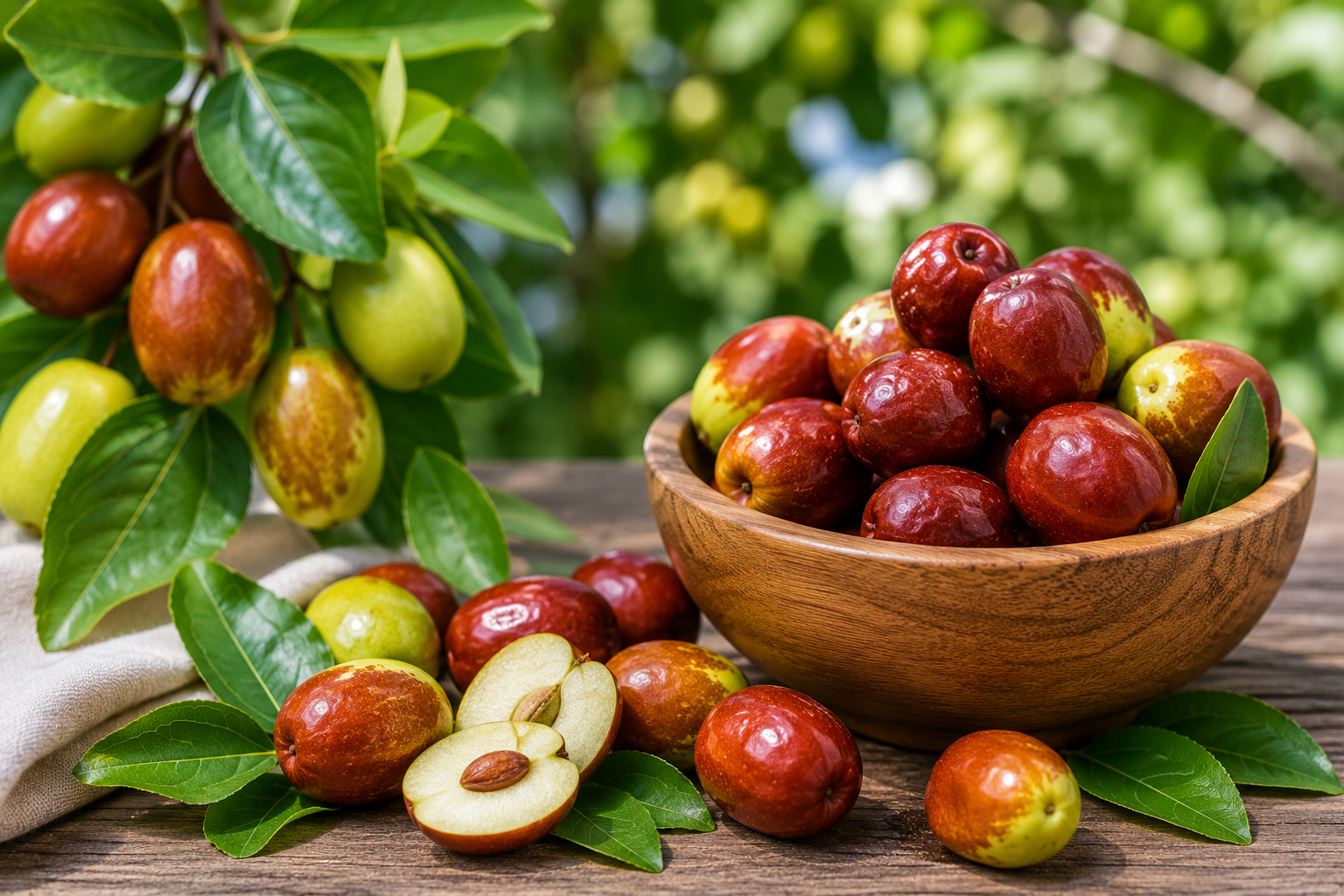
Žižole is a traditional name used in some European regions for the fruit commonly known as jujube. This small fruit has been enjoyed for centuries and is appreciated for its sweet taste, unique texture, and versatility. Depending on its stage of ripeness, it can taste similar to an apple when fresh and develop a date-like flavor when dried. Because of these qualities, many people enjoy eating it as a snack, using it in recipes, or growing the tree in home gardens.
The jujube tree is known for being hardy and adaptable. It can grow in a variety of climates and often produces fruit even under challenging conditions. This has helped make it a valuable fruit tree in different parts of the world. Today, interest in žižole continues to grow as more people discover its flavor and cultural importance.
In this guide, you will learn what žižole is, where it comes from, its nutritional value, common uses, growing requirements, and answers to frequently asked questions.
What Is Žižole?
Žižole refers to the fruit of the jujube tree, scientifically known as Ziziphus jujuba. The fruit is generally small and round or oval in shape. When young and fresh, it often has a green appearance. As it ripens, the color changes to yellow, reddish-brown, or deep brown.
The fruit has been cultivated for a long time and is valued in many cultures. Fresh fruit is crisp and juicy, while dried fruit becomes sweeter and chewier. Because of these characteristics, it is often compared to both apples and dates.
People grow jujube trees not only for their fruit but also because the trees are attractive, resilient, and relatively easy to maintain.
The History and Origin of Žižole
The history of žižole goes back thousands of years. The fruit is believed to have originated in Asia, where it became an important agricultural crop. Over time, traders and travelers introduced it to other regions.
Today, jujube trees can be found in several countries around the world. In some Mediterranean regions, the fruit became part of local traditions and cuisine. The name žižole remains popular in certain areas and continues to be used by local communities.
Because the tree adapts well to different environments, it has successfully spread beyond its original growing regions.
Žižole Nutrition Facts
One reason people enjoy žižole is its nutritional profile. While exact values vary depending on variety and ripeness, the fruit generally contains several important nutrients.
Vitamin Content
Fresh jujube fruit contains vitamin C, which plays a role in normal body functions and supports overall health.
Natural Carbohydrates
The fruit naturally contains carbohydrates that provide energy. Dried fruit tends to have a higher concentration of natural sugars because much of the water has been removed.
Dietary Fiber
Žižole contains fiber, which contributes to a balanced diet and may help support digestive health.
Minerals
The fruit may also provide small amounts of minerals such as potassium and other nutrients commonly found in fruits.
Because nutritional values vary, consumers should refer to reliable food databases for specific figures.
Why People Enjoy Žižole
Many fruits are popular because of their flavor, and žižole is no exception.
Pleasant Taste
Fresh fruit often has a crisp texture similar to an apple. As it ripens and dries, it develops a sweeter taste.
Versatility
The fruit can be eaten fresh, dried, or incorporated into recipes.
Long Cultural History
Many people appreciate fruits that have been enjoyed for generations. Žižole has a rich history that adds to its appeal.
Easy to Grow
The tree is often considered relatively low maintenance compared with some other fruit trees.
Common Uses of Žižole
Žižole can be enjoyed in many ways.
Eating Fresh
Many people simply wash the fruit and eat it fresh. This allows them to enjoy its natural flavor and crisp texture.
Dried Fruit Snacks
Dried jujube fruit is a popular snack in many regions. Drying changes the texture and concentrates the sweetness.
Cooking and Baking
Some people add jujube fruit to baked goods, desserts, and other recipes.
Drinks and Teas
The fruit may also be used in beverages. Different cultures have developed their own traditional ways of preparing it.
Growing Žižole at Home
Many gardeners are interested in growing unique fruit trees, and the jujube tree is often a good option.
Climate Requirements
Jujube trees generally prefer warm conditions and plenty of sunlight. They are known for their ability to tolerate heat.
Soil Preferences
Well-drained soil is usually recommended. While the tree can adapt to different soil types, proper drainage is important.
Watering
Young trees need regular watering while becoming established. Mature trees often tolerate dry conditions better than many other fruit trees.
Sunlight
Full sunlight typically supports healthy growth and fruit production.
Maintenance
Routine pruning can help maintain tree shape and improve air circulation.
How to Harvest Žižole
Harvesting is usually done when the fruit reaches the desired stage of ripeness.
Some people prefer fruit that is still crisp, while others wait until it becomes sweeter and darker. The best harvest time depends on personal preference and intended use.
Careful handling helps reduce bruising and preserves fruit quality.
How to Store Žižole
Storage methods depend on whether the fruit is fresh or dried.
Fresh Fruit
Fresh fruit can often be stored in a cool environment for a limited period.
Dried Fruit
Dried fruit typically lasts longer when kept in an airtight container and protected from moisture.
Proper storage helps maintain quality and flavor.
Comparing Fresh and Dried Žižole
Fresh and dried versions offer different experiences.
Fresh fruit is crisp, juicy, and refreshing. Dried fruit is sweeter, denser, and chewier. Many people enjoy both forms depending on the occasion.
Fresh fruit may be preferred as a light snack, while dried fruit is often chosen for convenience and longer storage.
Interesting Facts About Žižole
- The scientific name is Ziziphus jujuba.
- The fruit has been cultivated for thousands of years.
- Fresh fruit is often compared to apples.
- Dried fruit is often compared to dates.
- The tree is known for its adaptability.
- Different regions use different names for the fruit.
Internal Linking Opportunities
For a gardening website:
- How to Grow Fruit Trees at Home
- Best Drought-Tolerant Garden Plants
- Beginner’s Guide to Home Orchards
For a food website:
- Healthy Fruit Snack Ideas
- Benefits of Seasonal Fruits
- Easy Homemade Fruit Recipes
Conclusion
Žižole is a fascinating fruit with a long history, unique flavor, and many practical uses. Known internationally as jujube fruit, it offers a pleasant eating experience whether enjoyed fresh or dried. The fruit’s adaptability, cultural significance, and versatility have helped it remain popular across generations.
For gardeners, it represents an attractive and relatively resilient fruit tree. For food lovers, it provides an interesting alternative to more common fruits. Whether you are discovering it for the first time or already familiar with it, žižole remains a fruit worth exploring.