

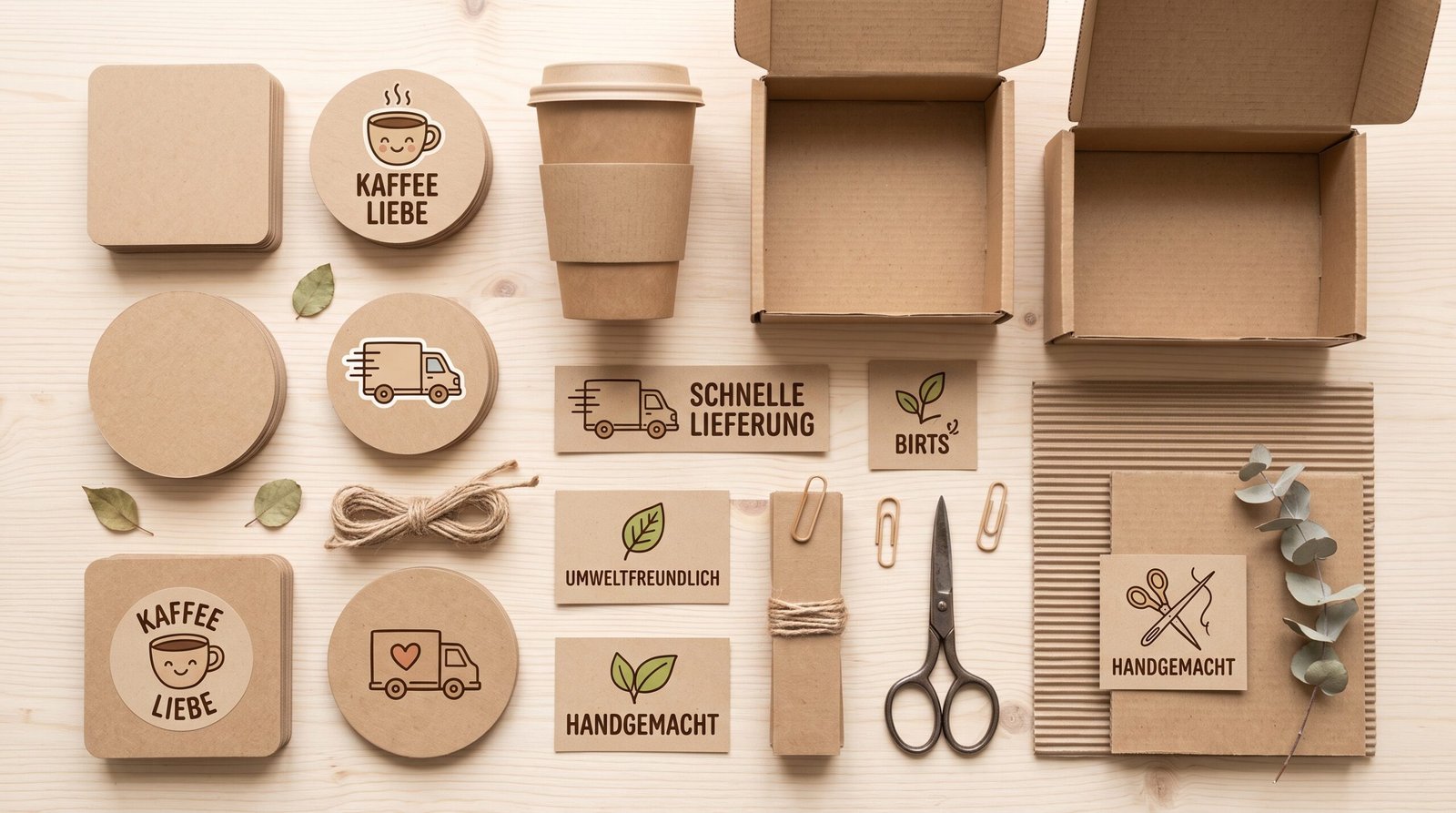
If you have come across the word Pappedeckel, you may wonder what it means and where it is used. Although the spelling “Pappedeckel” is sometimes seen online, the standard German word is Pappdeckel, which refers to a piece of cardboard or a cardboard cover. Cardboard is one of the most widely used materials in packaging, shipping, bookbinding, arts and crafts, and many everyday products.
Today, cardboard plays an important role in both homes and businesses. It is lightweight, affordable, easy to recycle, and available in many different forms. From shipping boxes and product packaging to notebook covers and storage containers, cardboard is used almost everywhere.
In this guide, you will learn what Pappedeckel means, how cardboard is made, its different types, common uses, environmental benefits, recycling process, and practical tips for choosing the right cardboard for different applications.
What Does Pappedeckel Mean?
The word Pappedeckel is commonly used online as a variation of the German word Pappdeckel, which means a piece of cardboard or cardboard cover.
Cardboard is a thick paper-based material made by pressing layers of paper fibers together. It is stronger than regular paper but lighter than wood or plastic.
Because it is easy to manufacture and recycle, cardboard has become one of the world’s most popular packaging materials.
What Is Cardboard?
Cardboard is a durable paper product created from wood pulp or recycled paper fibers.
Manufacturers process these fibers into thick sheets that provide strength while remaining lightweight.
Cardboard is used for:
- Shipping boxes
- Product packaging
- Book covers
- Storage boxes
- Food packaging
- Display materials
- School projects
- Craft activities
Its versatility makes it useful in both commercial and personal applications.
How Is Cardboard Made?
The manufacturing process involves several important steps.
Collecting Raw Materials
Manufacturers use:
- Wood pulp
- Recycled paper
- Recycled cardboard
- Plant fibers
Many companies now use recycled materials to reduce environmental impact.
Creating Paper Pulp
The raw materials are mixed with water to form pulp.
This pulp becomes the foundation for cardboard production.
Pressing and Drying
The pulp is pressed into thick sheets and dried using heated rollers.
This process gives cardboard its strength and durability.
Cutting and Finishing
Finally, the sheets are cut into different sizes depending on their intended use.
Some cardboard is printed, laminated, or coated before being used in packaging.
Types of Cardboard
Not all cardboard is the same.
Different industries use different types depending on strength and purpose.
Corrugated Cardboard
Corrugated cardboard is the most common packaging material.
It consists of:
- An outer liner
- A fluted middle layer
- Another outer liner
This structure provides excellent strength while remaining lightweight.
It is commonly used for:
- Shipping boxes
- Moving boxes
- Online shopping packages
Paperboard
Paperboard is thinner than corrugated cardboard.
It is often used for:
- Cereal boxes
- Cosmetic packaging
- Greeting cards
- Product cartons
Its smooth surface makes it ideal for printing.
Chipboard
Chipboard is produced from recycled paper fibers.
It is widely used for:
- Notebook covers
- Puzzle backing
- Bookbinding
- Furniture backing
Solid Bleached Board
This premium cardboard is made from high-quality virgin fibers.
It is commonly used in:
- Luxury packaging
- Pharmaceutical boxes
- Food packaging
- Cosmetic products
Common Uses of Pappedeckel
Cardboard has become an essential material across many industries.
Packaging
Packaging is the most common use.
Businesses rely on cardboard because it protects products during shipping while remaining affordable.
Examples include:
- Electronics
- Clothing
- Food
- Household goods
- Furniture
Shipping
Online shopping has increased the demand for strong shipping boxes.
Corrugated cardboard provides excellent protection during transportation.
Bookbinding
Many hardcover books use cardboard inside the cover to provide strength and durability.
This allows books to withstand years of regular use.
Arts and Crafts
Schools and hobbyists frequently use cardboard for creative projects.
Examples include:
- School models
- Decorative displays
- DIY organizers
- Handmade gifts
Because cardboard is easy to cut and shape, it is popular among artists and students.
Storage
Cardboard storage boxes help organize homes and offices.
They are commonly used for:
- Documents
- Clothing
- Seasonal decorations
- Office supplies
Advantages of Cardboard
Cardboard offers many practical benefits.
Lightweight
Despite being strong, cardboard is relatively light.
This helps reduce transportation costs.
Affordable
Cardboard is one of the most cost-effective packaging materials available.
Businesses can package products without significantly increasing production costs.
Easy to Print
Manufacturers can print logos, product information, and branding directly onto cardboard surfaces.
This makes it useful for retail packaging.
Recyclable
One of cardboard’s biggest advantages is that it can be recycled many times.
This helps reduce waste and conserve natural resources.
Environmentally Friendly
Compared with many plastic materials, cardboard has a smaller environmental impact when responsibly produced and recycled.
Why Recycling Cardboard Matters
Cardboard recycling offers significant environmental benefits.
It helps:
- Reduce landfill waste
- Save trees
- Conserve water
- Lower energy consumption
- Reduce greenhouse gas emissions
Many countries encourage households and businesses to recycle cardboard whenever possible.
How Cardboard Is Recycled
Recycling cardboard is a straightforward process that helps turn used materials into new paper products.
Collection
The first step is collecting used cardboard from homes, offices, schools, warehouses, and recycling centers.
Before recycling, people should remove plastic wrap, foam inserts, and other non-paper materials whenever possible.
Sorting
Collected cardboard is sorted by type and quality.
For example:
- Corrugated cardboard
- Paperboard
- Mixed paper products
Sorting helps recycling facilities process materials more efficiently.
Pulping
The cardboard is mixed with water and broken down into a soft paper pulp.
During this stage, the paper fibers separate from each other, making them ready for reuse.
Cleaning
The pulp is cleaned to remove:
- Staples
- Tape
- Glue
- Ink particles
- Other contaminants
This improves the quality of the recycled material.
Manufacturing New Products
The cleaned pulp is pressed into new sheets and used to manufacture products such as:
- New cardboard boxes
- Paper packaging
- Paperboard
- Tissue products
- Office paper
- Craft materials
This recycling cycle reduces the need for new raw materials.
Cardboard vs. Paper
Although cardboard and paper are closely related, they are not the same.
| Cardboard | Paper |
|---|---|
| Thicker and stronger | Thin and flexible |
| Used for packaging and shipping | Used for writing and printing |
| Better protection for products | Better for documents and books |
| Can support heavier items | Suitable for lightweight use |
| Often made with multiple layers | Usually made with a single layer |
Choosing the right material depends on the intended purpose.
Choosing the Right Cardboard
Different projects require different types of cardboard.
Here are a few examples.
For Shipping
Corrugated cardboard is the best choice because it offers excellent strength and protects products during transport.
For Retail Packaging
Paperboard works well because it is lightweight, smooth, and easy to print with colorful designs.
For Crafts
Chipboard and recycled cardboard are popular choices because they are easy to cut, fold, and glue.
For Food Packaging
Food-grade cardboard is designed to meet safety standards while protecting food products.
Environmental Benefits of Cardboard
Cardboard has become one of the most sustainable packaging materials available.
Some of its environmental advantages include:
- Made from renewable wood fibers.
- Widely recyclable.
- Often produced using recycled materials.
- Biodegradable under suitable conditions.
- Lower environmental impact than many single-use plastics.
Responsible recycling and proper disposal help maximize these environmental benefits.
Common Mistakes to Avoid
When using or recycling cardboard, avoid these common mistakes:
- Throwing wet or heavily contaminated cardboard into recycling bins.
- Mixing cardboard with plastic packaging materials.
- Using weak cardboard for heavy items.
- Ignoring recycling guidelines provided by local authorities.
- Storing cardboard in damp areas where it can lose strength.
Following proper handling practices helps extend the usefulness of cardboard and improves recycling efficiency.
Interesting Facts About Cardboard
Here are a few interesting facts that many people may not know:
- Cardboard is one of the most recycled packaging materials in many countries.
- Corrugated cardboard was first developed to provide stronger packaging protection.
- Many online shopping deliveries rely on corrugated cardboard because of its durability.
- Cardboard can often be recycled several times before the paper fibers become too short for reuse.
- Advances in manufacturing continue to make cardboard lighter while maintaining its strength.
Internal Linking Opportunities
If your website covers sustainability, packaging, or materials, you can naturally link this article to related topics such as:
- How Cardboard Is Recycled
- Types of Packaging Materials
- Paper vs. Cardboard
- Sustainable Packaging Solutions
- Benefits of Recycling
- Eco-Friendly Shipping Materials
- How Corrugated Boxes Are Made
Use descriptive anchor text such as “complete guide to cardboard recycling” or “learn about sustainable packaging materials” instead of generic phrases like “click here.”
Final Thoughts
Pappedeckel, more commonly written as Pappdeckel in German, refers to cardboard or a cardboard cover. Although it is a simple material, cardboard plays a major role in modern life. From protecting products during shipping to supporting creative projects and reducing environmental waste through recycling, its uses are extensive.
Understanding the different types of cardboard, how it is manufactured, and the importance of recycling can help both individuals and businesses make better choices. Whether you are selecting packaging for products, organizing storage at home, or looking for environmentally friendly materials, cardboard remains one of the most practical and sustainable options available.
As global demand for eco-friendly packaging continues to grow, cardboard will likely remain an essential material across many industries. Learning about Pappedeckel and its many applications helps us appreciate how this everyday material supports both convenience and sustainability.
FAQ
1. What does Pappedeckel mean?
Pappedeckel is commonly used online as a variation of the German word Pappdeckel, which means a piece of cardboard or a cardboard cover.
2. What is cardboard made from?
Cardboard is typically made from wood pulp, recycled paper, recycled cardboard, and other paper fibers that are pressed into strong sheets.
3. Is cardboard recyclable?
Yes. Most cardboard can be recycled multiple times, provided it is clean and free from excessive contamination such as food waste or plastic coatings.
4. What is the difference between cardboard and paper?
Cardboard is thicker, stronger, and designed for packaging and protection, while paper is thinner and commonly used for writing, printing, and documents.
5. Where is cardboard commonly used?
Cardboard is widely used in shipping boxes, retail packaging, book covers, food packaging, storage containers, school projects, arts and crafts, and many industrial applications.